
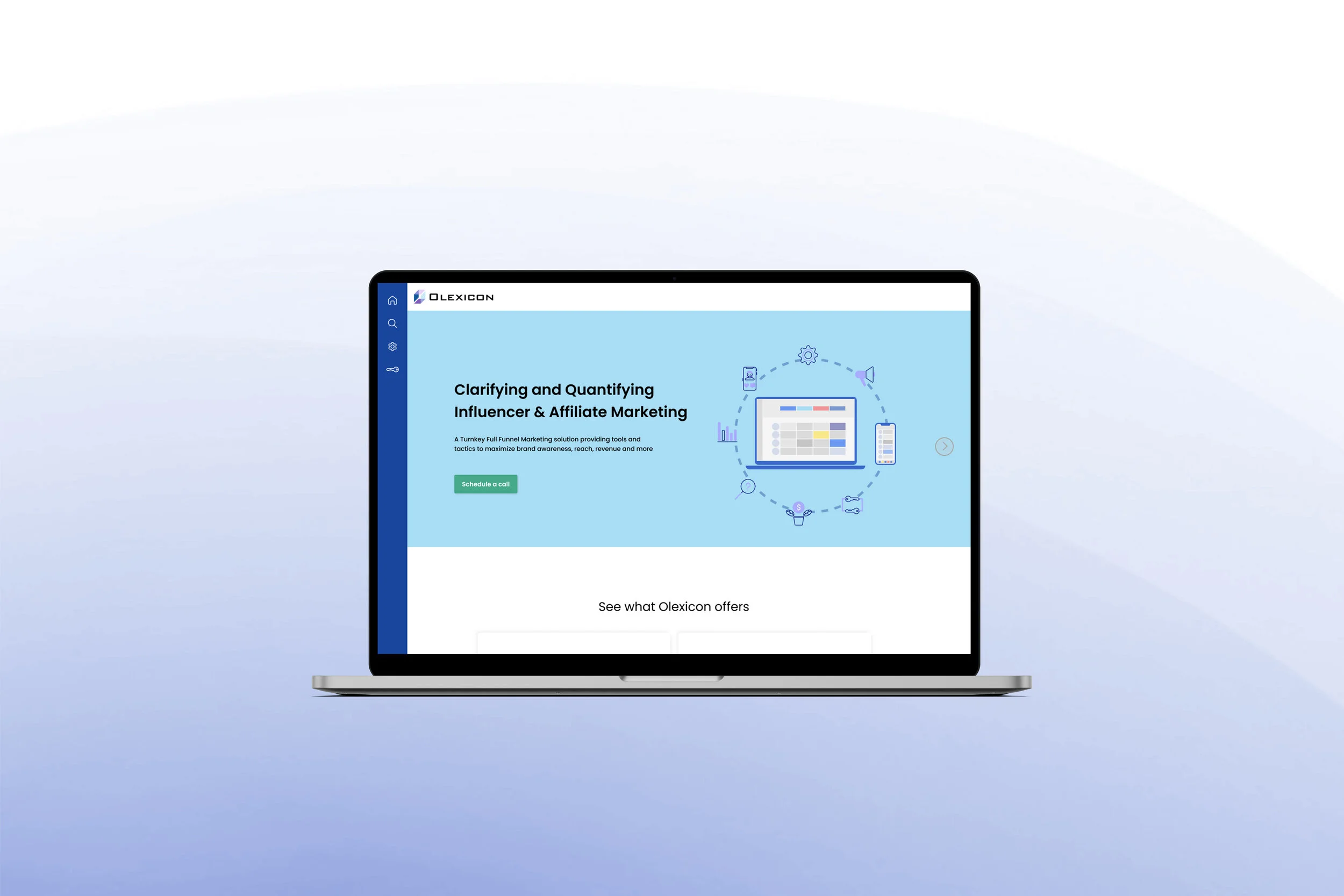
How does Olexicon help growing businesses find and manage influencers?
Problem
Growing business struggles to find and manage influencers to represent their brand.
Hypothesis
Design a simple influencer search engine and a influencer relationship manager to easily find and manage influencer.
My Role
UX Designer leading interaction design and visual design in these following workflows:
landing page
Influencer Search Engine
Influencer Relationship Manager
Team
Ian Braun, Founder
Nick Mounier, Engineer
Andrew Hu, Engineer
me, UX Designer
Summary
The challenge was to design the minimum viable products: Influencer Search Engine and Influencer relationship manager. So that we will understand how well they meet users’ needs from real-world feedback, and then improve the design. In the mean time, we are developing Influencer Relationship Manager as the second product.
The outcome of the first round of the design was that the early adapters who used the Influencer Search Engine felt that they had easy access to influencers on major platforms with reasonable cost.
Process
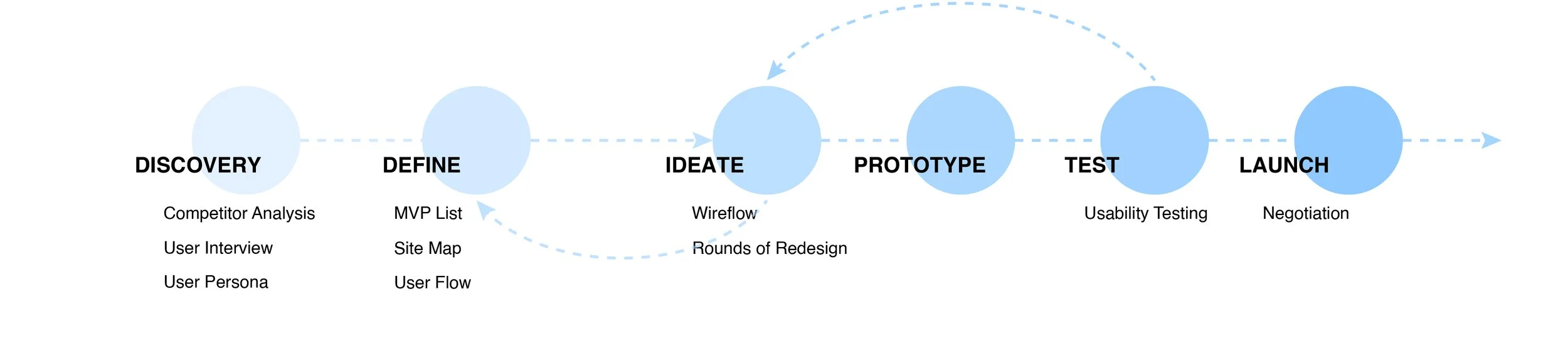
1. Discovery
Competitive Analysis
I researched 4 major competitors performance and user reviews to analyze the pros and cons of their products.
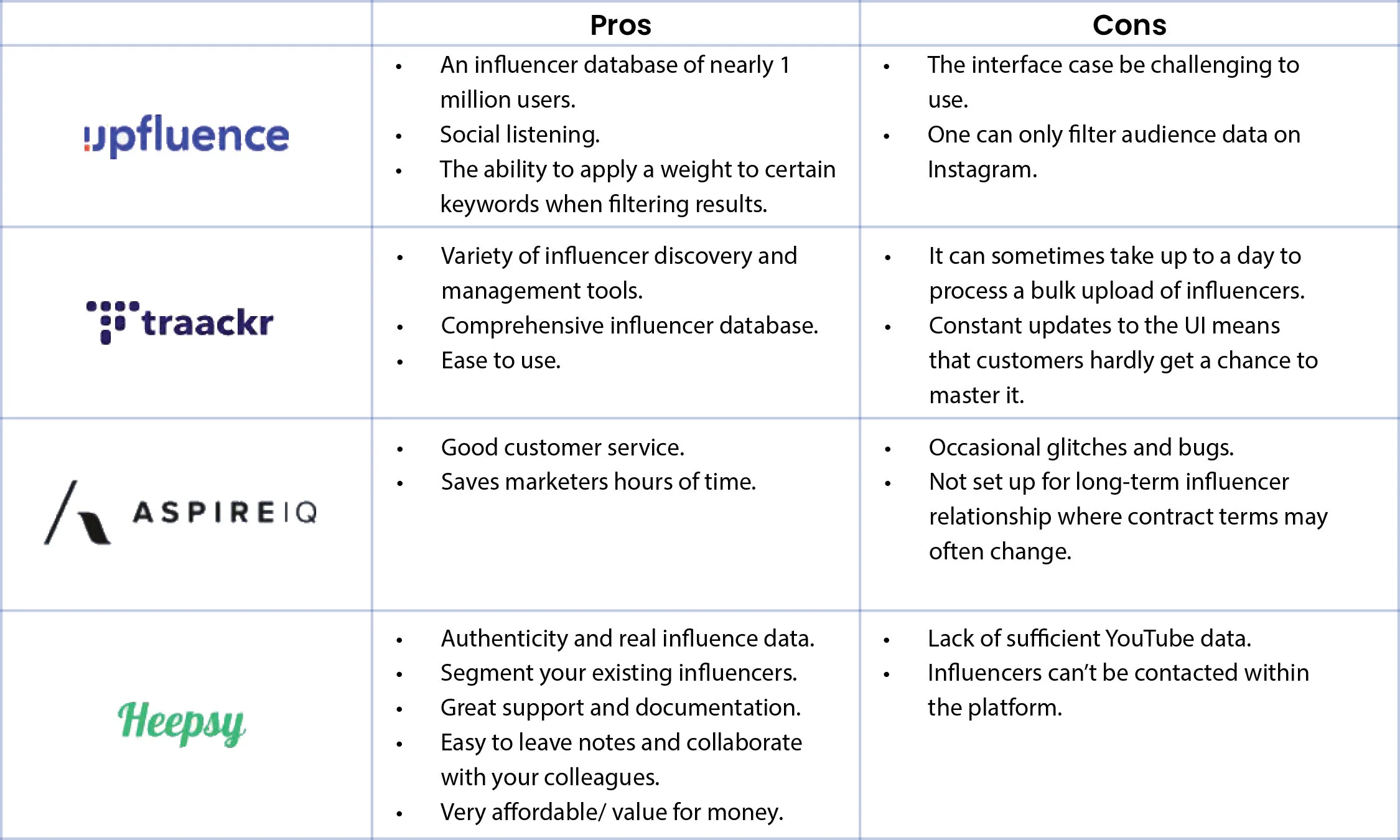
As an outcome of the competitive analysis, I got familiar with current CRM products in the market and found out the key to success: easy to reach and manage influencers from all major social media at a reasonable cost.
User Interview
We did interviews with 5 of our existing clients to learn their expectations and frustrations while searching and managing influencers for expanding their business. Below are interview highlights:
80% of the participants address that the platform should contain sufficient real influence data on major social media.
80% of the participants would like to be specific while using filters to select qualified influencers.
60% of the participants want to add selected influencers to their dashboards.
Persona
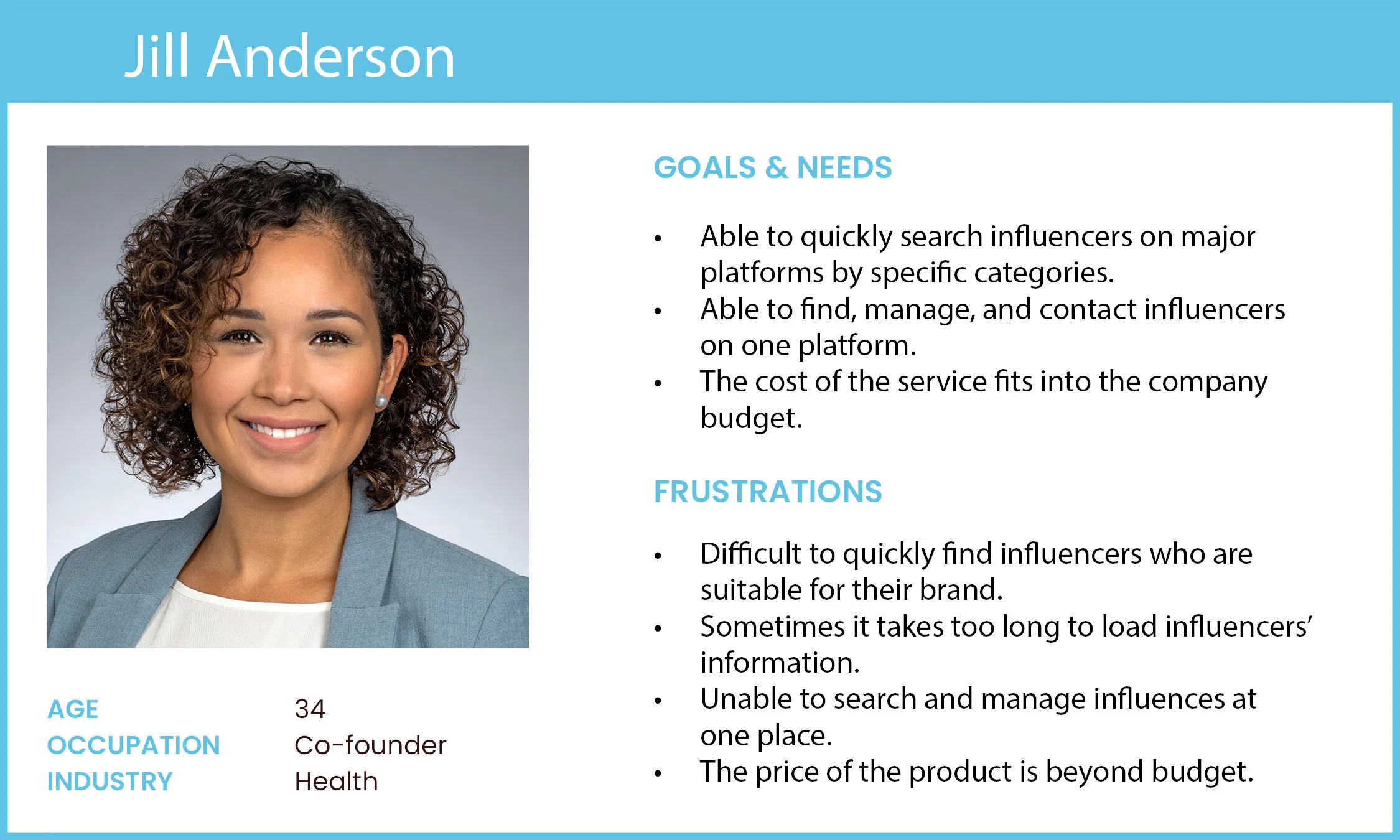
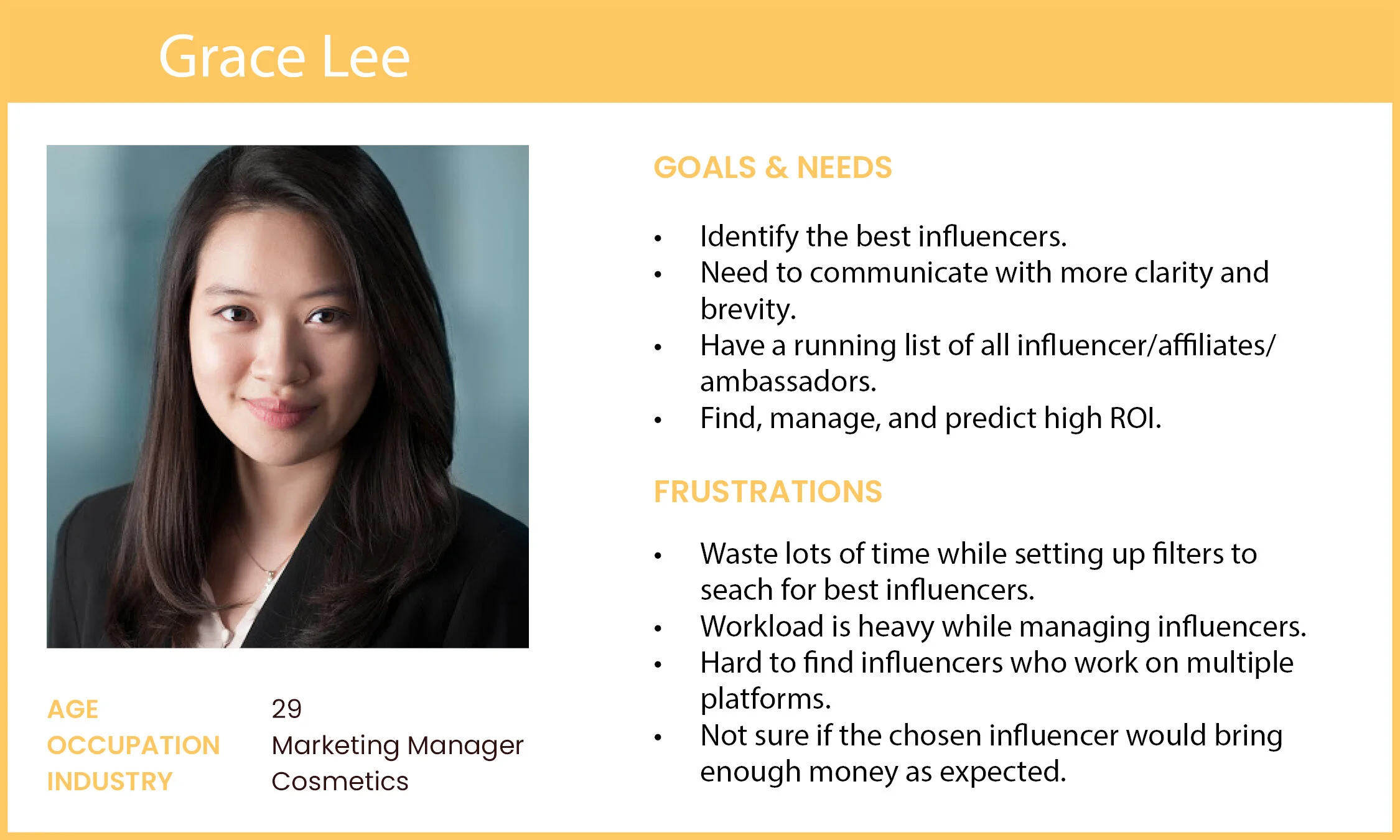
Based on the information I got from the interview, I created 2 user personas to help me better understand my target users’ behavior and their goals versus pain points.
2. Define
MVP List
The discovery part allowed me to understand the users' goals and the major pain points. Researching the existing products helped me understand the market better. With all these research results in mind, I developed an MVP list.
As a founder of a growing business, “I“ would like to find qualified influencers quickly and manage influencers efficiently on the same platform with a reasonable cost, so “I“ will be able to grow my business.
Have access to sufficient real influence data on major social media
Use filters to narrow down the influencer pool
View detailed information of the influencers, such as social media page, email, engagement rate, etc.
Save selected influencers from search tool to manage tool
Manage and contact influences
Easy to use interface
After the MVP study, I decided to focus on the primary persona: Jill Anderson’s needs to design the product and leave the other one for the next version.
3. Ideate
I sketched the main screen and the flow of the influencer search engine to easily communicate my ideas with team members and get feedback about them.
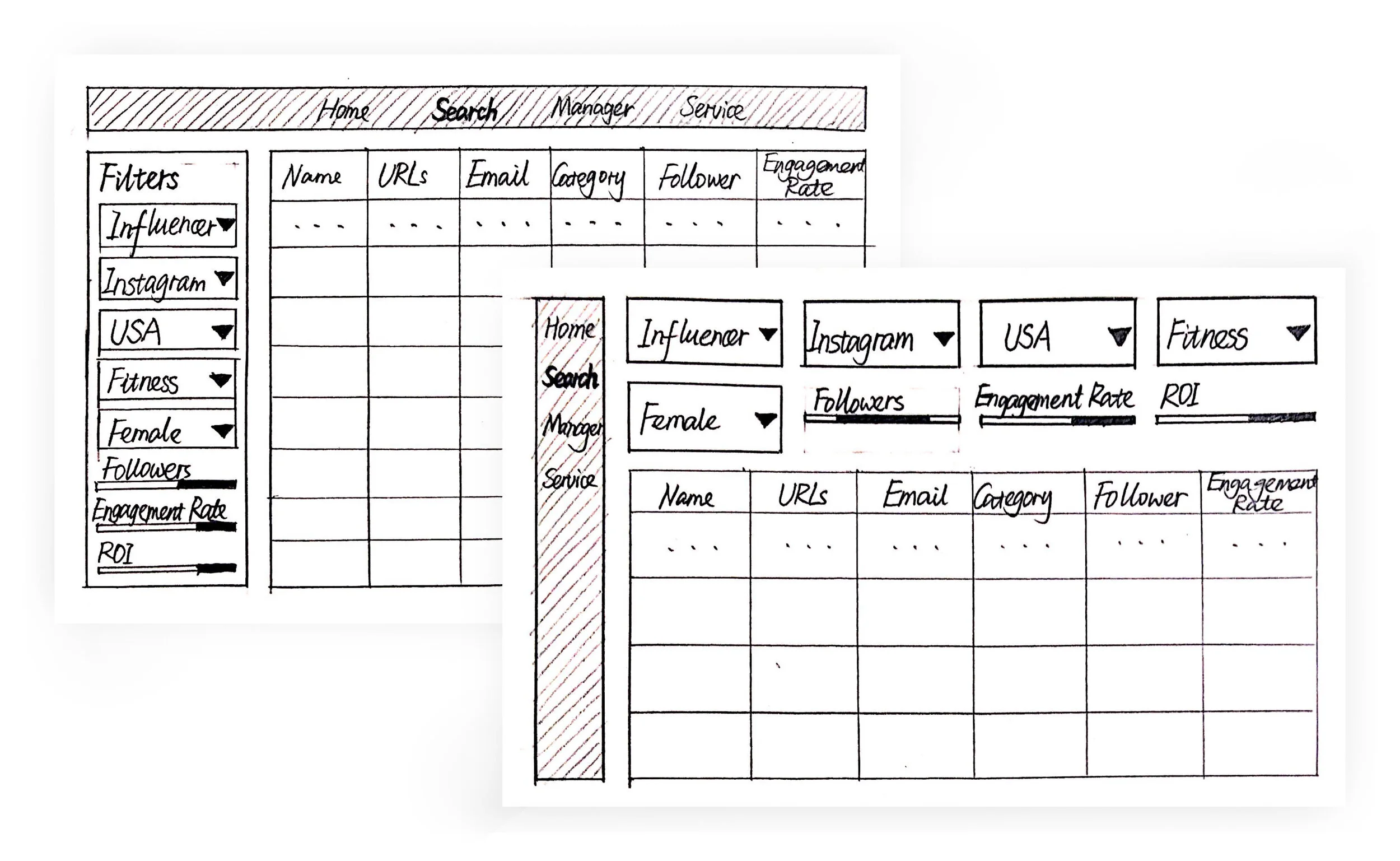
After rounds of user testing, we decided to go with the one on the right. According to the users, it’s more intuitive and convey more information about the influencer on the page.
4. Prototype
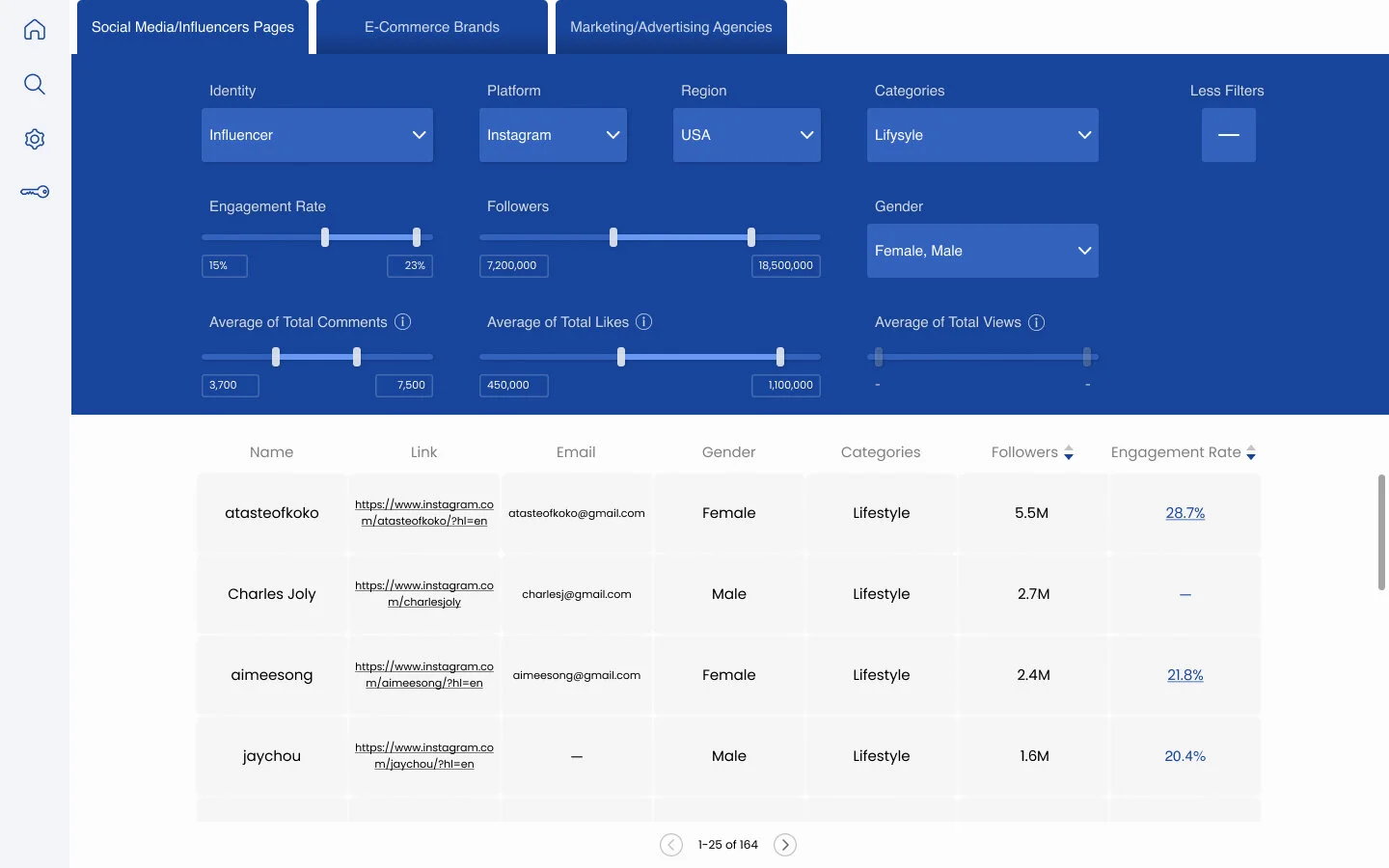
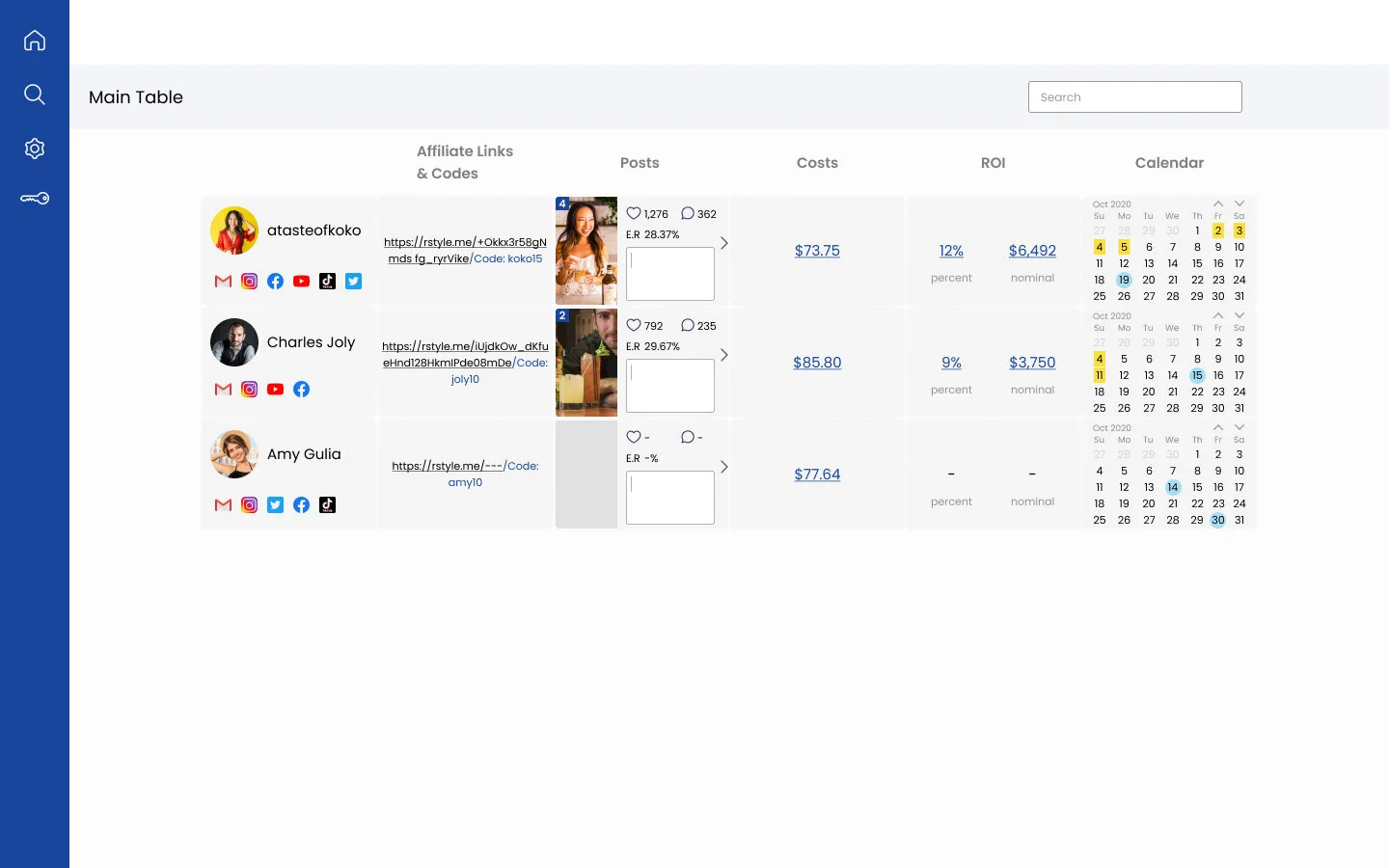
These are the hi-fi prototypes of the influencer search engine and the influencer relationship manager. We are working continuously to improve the flow and the design.
Influencer Search Engine
Influencer Relationship Manager
5. Usability Testing
After I created the hi-fi prototype, we conducted 5 usability testing with our existing clients. Observing them go through the prototype and complete tasks give us ideas of which part is confusing and which flow needs to be improved.
6. Launch
Working closely with cross-functional partners, and in particular, with engineers is the key to successfully when launching a product. I started looping them in at early design phase to bring engineers into conversations so everyone has context on the goals of the project.
I am communicating with engineers constantly to make sure everyone is on the same page and the actual product is align with the design.
Please check our website for the latest design: https://olexicon.com/
Next Steps
Test the MVP products with clients to get real-world feedback.
Understand and analyze the user feedback.
Design iterations that implement the changes and fixes.
Conduct usability testing before launching the second version.